
Complete MSP Marketing Guide for 2025
The "Complete MSP Marketing Guide for 2025," authored by Connor Swalm and published in July 2024, emphasizes the growing demand for managed IT services driven by digital transformation, highlights the projected 13.6% CAGR growth of the global managed IT services market through 2030, and underscores the necessity for MSPs to develop effective, comprehensive marketing strategies to differentiate themselves in an increasingly competitive industry.
Products
Resources
Support
Phin
Get Started
About
The Complete MSP Marketing Guide for 2025
 By Connor Swalm
Published July 10, 2024

As more companies accelerate their digital transformation efforts and adopt advanced technologies, the demand for managed IT services grows. In fact, experts predict the global market for managed IT services to expand at a compound annual growth rate (CAGR) of 13.6% from 2023 to 2030.
With so many new MSPs throwing their hats in the ring, you need some way to make your organization stand out from the rest. An effective marketing strategy can help you do just that.
Introduction to MSP Marketing
Marketing is a much broader term than many believe because it includes all the actions your MSP takes to attract an audience to your service offerings. While it incorporates many similar elements, marketing is different from:
- Advertising: While advertising is a key component of any marketing scheme, it's just one weapon in your arsenal. Marketing refers to the whole approach, including effective advertising.
- Sales: Marketing is not about closing a sale through pushy tactics. Instead, you should treat your marketing strategy as a tool that can help your MSP accelerate the sales journey by enticing leads to continue engaging with you until they convert.
For most MSPs, a combination of traditional offline and online marketing is the best way to get the results you want. It all depends on your audience, though — clients in some industries tend to prioritize referrals over digital messaging due to the extra credibility they provide.
Identifying Your Target Audience
Identifying your audience is one of the most important steps in any marketing campaign, as it will inform everything you do from that point forward.
These questions can help guide you toward the ideal audience segments to target:
- Who are your ideal clients, and what IT problems do they have?
- Does your MSP offer solutions that can help them with those problems?
- What do you offer that sets your MSP apart from your competitors?
- What channels can you use to reach these clients?
Once you have a clear answer to each of these questions, you can get to work.
Developing a Comprehensive MSP Marketing Strategy
There are two main types of marketing approaches you can use — inbound and outbound. Combining both creates a holistic marketing strategy that can help you reach your target audience.
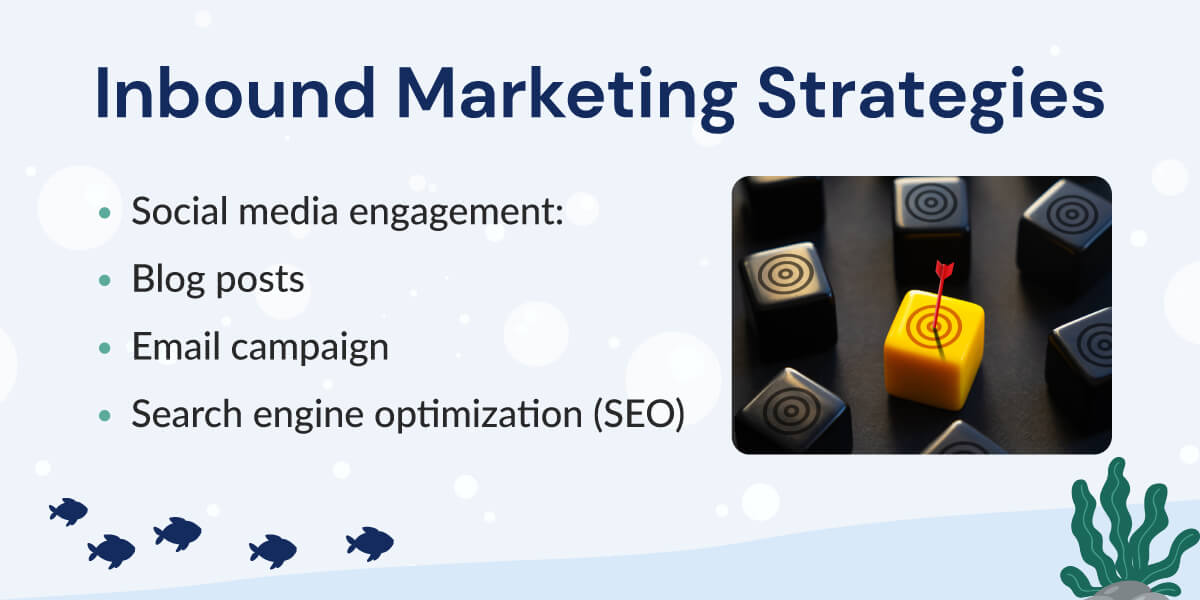
Inbound Marketing Strategies
Inbound marketing techniques draw new customers to your MSP through digital touchpoints. It's informative without being pushy, and it's essential for gaining your audience's trust.
Some examples of inbound marketing strategies include:
- Social media engagement: Posting regularly on social platforms like LinkedIn, X and Facebook gives your audience direct channels to engage with your brand, which can be highly effective for boosting conversions.
- Blog posts: Posting useful, relevant longform articles to your blog and guest posting on other sites, you can build trust with your audience and establish your MSP as a reliable voice in the industry.
- Email campaigns: While people like to say email is a dying form of communication, experts disagree. Email is one of the most effective marketing strategies you can use because it enables you to make a connection every time a message from you arrives.
- Search engine optimization (SEO): SEO involves improving your website's visibility on Google and other search engines through strategic keyword placement, website optimization and consistent posting.
Outbound Marketing Strategies
Where inbound marketing strategies attract an audience by generating interest in your brand, outbound marketing strategies involve “cold calling” people who haven't yet expressed interest in your company.
While this approach may seem outdated, it's still highly effective because:
- It's simple to launch and easy to scale.
- It has excellent potential for rapid return on investment (ROI).
- Any business can use it.
- It can help you reach the most specific segments of your audience.
Essentially, outbound channels are best for jumpstarting your marketing campaign by putting your brand in sight of users who are in your target audience. Inbound marketing is best for drawing those customers closer to your MSP and nurturing your relationship with them.
Lead Generation and Conversion Strategies for MSPs
Lead generation is the process of making contact with your audience and turning them into clients, and it's at the heart of every digital marketing campaign.
Some common lead generation strategies include:
- Pay-per-click (PPC) ads: Placing ads on relevant websites and at the top of the search results pages increases your brand's visibility — and it's highly cost-effective because you only pay when users click on your ad.
- Email marketing: Not only do marketing emails generate a high ROI, but they're also excellent for keeping your audience engaged with your brand.
- Search engine optimization (SEO): This technique aims to organically push your site higher on search engine results pages through strategic keyword usage, website optimization and consistent content production.
Ideally, your marketing strategy should combine these techniques for best results.
The Role of Content in MSP Marketing
If you're going to invest in digital marketing, you need to consider incorporating content creation into your overall strategy.
Content marketing builds trust with your audience by establishing your MSP as a leading voice in their industry. It involves publishing useful content for your audience across your digital channels to attract their attention and build a relationship with them.
Combining your content marketing strategy with SEO techniques is highly effective for building awareness with leads at the top of the marketing funnel (TOFU), as these users are typically looking for informational content that will help them answer a question related to your industry.
Content marketing is also the perfect opportunity to demonstrate what sets your MSP apart. Use blog posts, videos and podcast episodes to highlight things like:
- Industry expertise: Does your MSP serve clients in a specific industry vertical like finance or health care? Publish content that addresses key IT concerns for that vertical to demonstrate your expertise and credibility.
- Cybersecurity: By publishing content about cybersecurity, you can showcase your commitment to providing safe, compliant services. For example, you could create a longform blog post explaining your security awareness training program.
- IT tips: As an MSP, your team is already made up of IT pros. Your marketing team can leverage that expertise to create educational videos, blog posts, ebooks and more that can leave your site visitors with a more positive impression of your brand.
Market research can help you identify the most relevant topics for your audience, helping you build a content creation strategy that will generate the best results.
7 Effective Content Marketing Tactics
Not all content is created equal. Some of the most effective types of content you can produce include:
- 1.Blogging: Running an active blog attached to your company's website boosts SEO through natural keyword usage and builds your reputation as a trusted resource in your industry.
- 2.White papers and ebooks: Downloadable white papers and ebooks give you more room to expand on the information you post about on your blog.
- 3.Infographics: Infographics are a fun, visually appealing way to express your MSP's value to customers using hard data, which you can pull from customer surveys, customer relationship data and more.
- 4.Social media: Strategic posting spotlights your brand and content and puts you in direct contact with your audience, boosting engagement and increasing the likelihood of conversions.
- 5.Webinars: Hosting live webinars with IT experts and clients provides an engaging way to convey information about your services, answer client questions, discuss industry trends and more. You can also record these sessions and post them to your online channels as part of your lead generation strategy.
- 6.Video: Short informational videos hold viewers' attention and generate interest in your brand.
- 7.Podcasts: Nearly 70 million Americans listened to podcasts in 2023, and that audience is only expected to grow. Sitting down and talking about hot-button topics in IT as they relate to your clients' industries can help you appeal to this audience while also providing material for cross-posting and repurposing.
Social Media Management for MSPs
Social media marketing is both cost-effective and engaging for your audience — and it drives excellent results when it's done correctly.
Effective social media management builds a strong relationship with your audience and establishes your MSP as a trustworthy partner. Here's how:
- Cross-posting content: When you create a new piece of content, you want to get as many eyes on it as possible — which is why you should use all your channels to do so. For example, you could post a preview of a new podcast episode with a link to the full audio on your company's LinkedIn to increase exposure and drive traffic to the episode page.
- Omnichannel experience: Both business-to-business (B2B) and business-to-consumer (B2C) audiences expect a seamless experience across every interaction they have with your brand, and your social media pages are a critical element of that experience. Consistent posting and a strong brand presence will keep your audience engaged and deliver the convenient experience they're looking for.
- Influencer partnerships: Collaborating with subject matter experts in IT or the specific industry vertical you specialize in will help drive brand awareness and create affinity with decision-makers in your target audience through genuine human connection.
Choosing Social Platforms
It's best to hold off on launching a social media campaign until you have a solid grasp on who your audience is and how to reach them. This information can help you determine which platforms to focus on and what kinds of posts will resonate with potential clients.
Some of the best platforms for B2B marketing campaigns include:
- LinkedIn: According to a 2023 survey by the Content Marketing Institute, 84% of B2B marketers say LinkedIn delivers the best value for their organization year over year.
- Facebook: As one of the most widely used social media platforms since its public launch in 2006, it makes sense that Facebook is a top performer for B2B campaigns.
- YouTube: Video is one of the most engaging forms of content, which is why posting short-form videos to a company YouTube channel can be an excellent component of your overall marketing strategy.
Social media marketing is also constantly changing based on platform policy updates, new audience preferences and other factors that can impact engagement.
For example, many B2B marketers have shifted away from marketing on X and poured more money into posting to the video-sharing app TikTok even though the ROI potential is still fairly low.
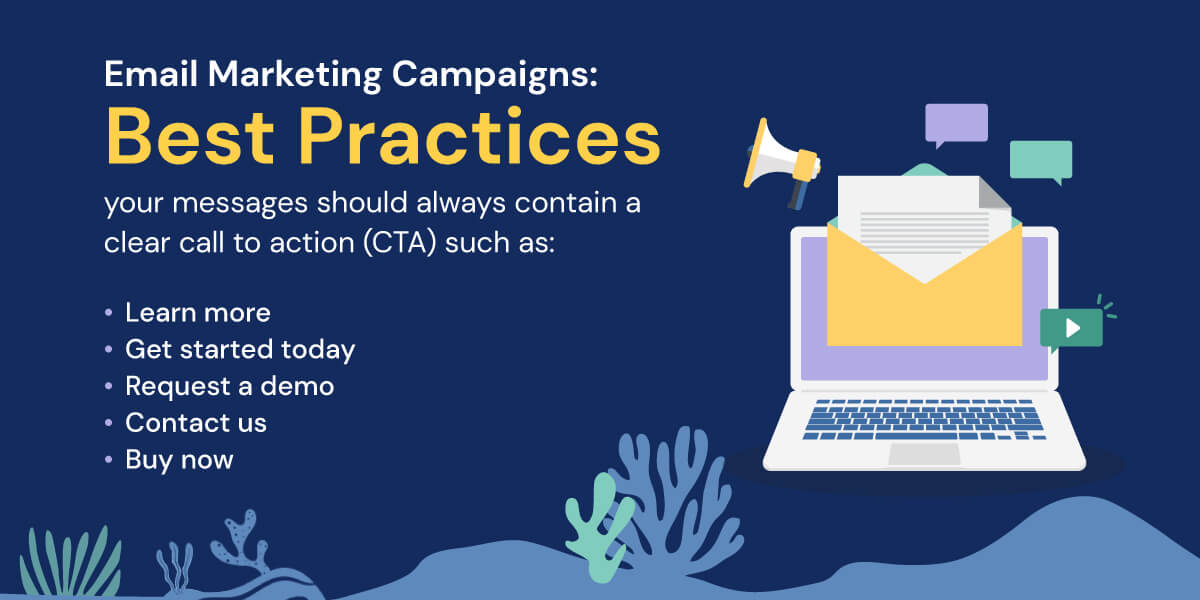
Email Marketing Campaigns: Best Practices
Email marketing is highly effective for both inbound and outbound marketing campaigns. No matter which approach you're using, though, your messages should always contain a clear call to action (CTA) such as:
- Learn more
- Get started today
- Request a demo
- Contact us
- Buy now
This simple statement tells your audience exactly what they should do once they've finished reading your message, increasing the likelihood that they will convert.
The Importance of Brand Positioning
Brand positioning is a core element of an MSP marketing campaign, as it's the process of leveraging your USP to establish your brand as a leader in the industry. And for optimal brand positioning, you need to first understand the concept of value-based messaging.
Value-based messaging goes beyond the specific services and capabilities you offer to emphasize the value you deliver to your clients. So rather than simply listing out your offerings, highlight tangible benefits of those services like:
- Productivity boosts
- Reduced risk and liability
- Security improvements
- Cost savings
- Scalability and longevity
By focusing on the value you provide rather than the features of your services, you convey more compelling reasons for your audience to consider working with your MSP.
Customer Relationship Management in Marketing
Continued engagement is essential for encouraging conversions and optimizing brand positioning. That's why you need to nurture your leads. This process involves making constant contact with leads at various touchpoints until they're ready to sign on with your MSP.
Integrated customer relationship management (CRM) platforms allow you to track new leads through the entire customer journey by consolidating the data they provide in a centralized hub. Advanced data analytics capabilities can analyze all that data to generate actionable insights into customer preferences, ROI and more.
Leveraging Analytics and Reporting to Guide Your Marketing Efforts
One of the best ways to make sure your campaigns are producing results is to measure and track key performance indicators (KPIs) such as:
- Web traffic: Tools like Google Analytics can help you track the number of people visiting your site and their demographic makeup.
- Conversion rate: The number of people who convert from leads to clients in a given period of time helps you determine the overall effectiveness of your campaign.
- Click-through rate (CTR): How many users are clicking on the links in your ads, emails and web pages? This information can help you understand whether you might need to rework some of your CTAs.
Analyzing your KPIs at regular intervals will reveal valuable insights into how your campaigns and where key areas for improvement lie. Using AI-powered data analytics tools can streamline this process, allowing you to produce powerful insights and reports in a fraction of the time.
Expand Your MSP's Offerings With Phin Security
A strong marketing campaign can help you reel in new leads and grow your MSP. But just because your brand is thriving doesn't mean cybersecurity should fall by the wayside for you or your clients.
That's why you should consider partnering with Phin Security. We designed our training platform specifically to meet the unique security needs of MSPs and their clients so you can deliver effective, compliant services that will outperform your competition.
Want to see Phin Security's platform in action? Start your free trial today!

Share:
Share on Facebook Share on LinkedIn Share on X


All CategoriesMSPReef RoundupSecurity Awareness TrainingPhishingPhishing AnalysisDCD2024Guest SpeakerComplianceTrainingreportingAIComparisonHIPAAPress Release
Read On
 The Essential MSP Guide to SEO
 Dark Web Monitoring for Business: Why Your MSP Should Use It
 Why Every MSP Needs a Cyber Warranty
Try Phin for Free for 30 days!
Related posts
 \
The Essential MSP Guide to SEO 15 Jul 2024
\
The Essential MSP Guide to SEO 15 Jul 2024
 \
Dark Web Monitoring for Business: Why Your MSP Should Use It 22 Apr 2026
\
Dark Web Monitoring for Business: Why Your MSP Should Use It 22 Apr 2026
 \
Why Every MSP Needs a Cyber Warranty 10 Oct 2024
\
Why Every MSP Needs a Cyber Warranty 10 Oct 2024
Search You're Not Like Other MSPs, You're a Cool MSP
The Chaos of Security Maturity & Pricing Transparency Search
Twitter Widget Iframe
Chat Widget