
Designing Effective Security Policies for Phishing Prevention
The article "Designing Effective Security Policies for Phishing Prevention" by Connor Swalm, published December 7, 2023, highlights the pervasive threat of phishing—citing that 15 billion spam emails are sent daily and 83% of businesses experienced phishing attacks in 2021—and emphasizes that organizations can significantly reduce these risks by collaborating with experts and implementing well-crafted phishing security policies.
Products
Resources
Support
Phin
Get Started
About
Designing Effective Security Policies for Phishing Prevention
 By Connor Swalm
Published December 7, 2023
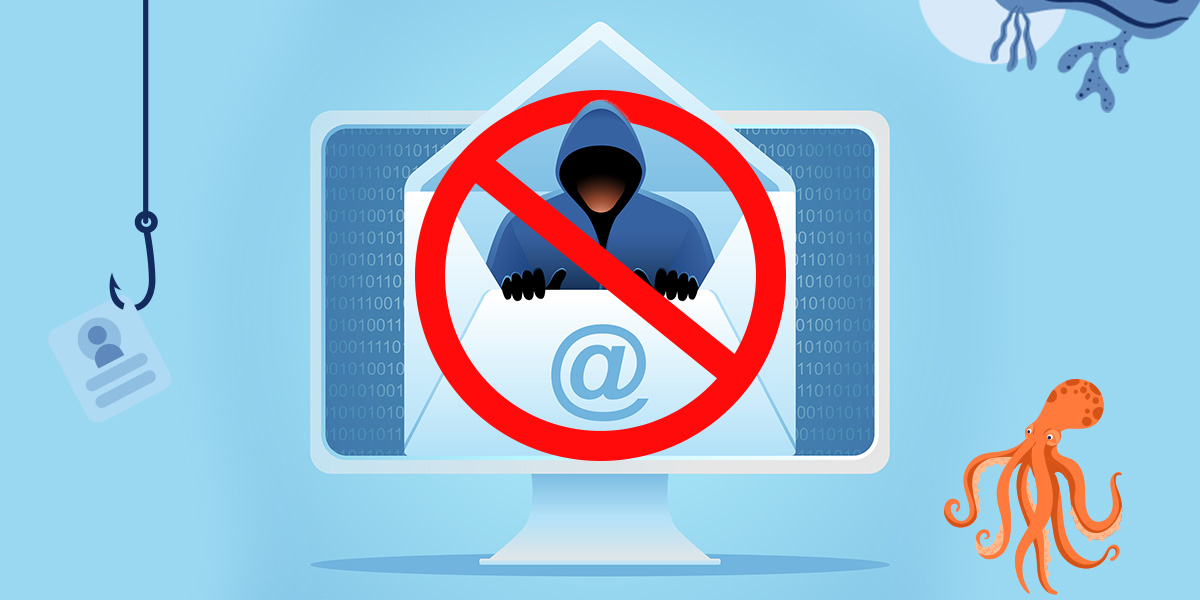
Phishing is a very real threat to many organizations, both large and small. Roughly 15 billion spam emails are currently landing in people's inboxes every day. In 2021, 83% of businesses reported that they had experienced some type of phishing attack. These numbers are large and can be intimidating, but if you work with the right people and build an effective phishing security policy, these numbers will be reduced for your business.
This article explores what best practices mean within these parameters and gives key solutions in how to go about building your defense.
Understanding Phishing Attacks and Security Risks
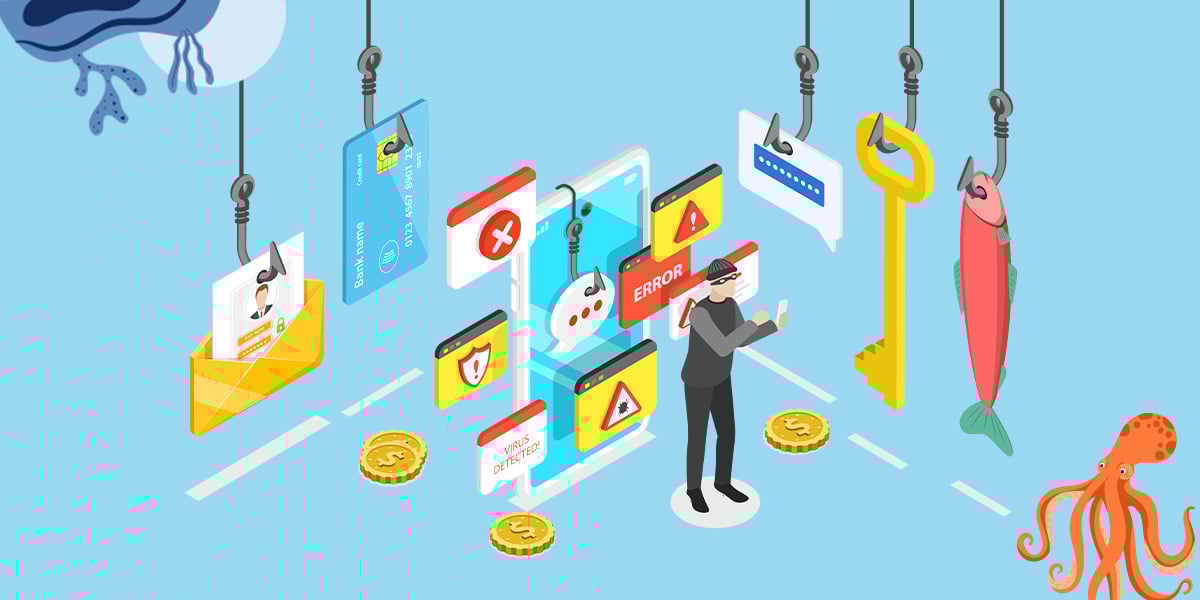
Phishing is a fraudulent technique where attackers pose as legitimate users or entities to deceive individuals into giving them sensitive data. Information that the phishing is trying to get includes:
- Passwords
- Credit card details
- Social security numbers
- ID numbers
There are several forms of phishing, for example:
- Email phishing: Email phishing is where you get sent an email that pretends to be the bank, a close friend, a tax institution or some other government authority. They will ask you for your personal information, with under the umbrella that there might be an error with your account. They will contain links to fake websites or ask you to open an attachment that will install malware on your computer. The malware will then collect data and return it to the phishing source.
- Spear phishing: Spear phishing hones down on certain individuals. You will often find they already have some information about the individual but are just missing one key part. They will use the info they have against the person — for example, using their name to create a false sense of familiarity.
- SMS phishing: With this form of phishing, they use short message service (SMS) technology for their attack. They will often use threats if the information isn't given. For example, an SMS phishing message might read, "the data on your phone is running out, please provide bank information to buy more."
- Voice phishing: The attacker will pose as a legitimate representative from the company. For example, they will pretend to be customer service representatives from the bank. They will give the person instructions and guide them through fake websites to get information.
- Whaling: Whaling is very similar to spear phishing, but on a much bigger profile. They attack CEOs or CFOs that they know will have access to large amounts of money or get details to take out a loan on that person's behalf. They can even try and get information about the company the person works for, thereby expanding their attack to others.
The Role of Security Policies in Phishing Prevention
Security policies help prevent phishing attacks by creating frameworks and guidelines that shape how an organization protects sensitive data. The deception can occur through any mode of channel. They could send you a false email or even create a site that looks similar to an official one, like a bank.
Once they have the information, they can go after data or finances. Identity theft is also something they use. To spot the phishing, you must look for odd sender addresses or URLs. They also tend to have spelling errors or bad grammar.
Key Components of Effective Security Policy
A few policies and best practices to create include:
- Education and training: Continuous education and training of employees will ensure that everyone is aware of the latest risks. Everyone must be on the same page on recognizing and responding to threats. Include a few phishing examples and do simulation exercises to test and reinforce the training within a safe environment.
- Email filtering: Security systems should try as much as possible to create policies that catch phishing emails and block them before they reach the inbox. These systems use advanced algorithms to identify trends and suspicious emails based on sender information. They are also cautious of email attachments and unusual content.
- Access controls and authentication protocols: Reinforce access control measures. An example would be having multifactor authentication, like a password and a PIN sent to the user's cellphone.
Designing Security Policies for Phishing Prevention
So, how do you create an anti-phishing policy? It takes more than one department to create security policies. Key individuals from human resources (HR), internal communications and information technologies (IT) must gather to create a strategic approach that would work through the organization's operations.
- Assess organization's vulnerability: The initial outline should include the vulnerabilities within the organization. Consider the data types at risk and what a phishing attack could mean for the business.
- Establish objectives: What are you aiming to achieve with the security policy? What are the goals? A good starting point is to reduce the incidences, protect the high-risk sensitive data and ensure the policies adhere to compliances and standards.
- Develop a training program: As mentioned, educating employees is a great defense, and can be one of the most effective ways to prevent phishing attacks from breaching your data.
- Implement technical defenses: Use advanced email filtering, web security solutions and endpoint protection to defend yourself.
- Incident response plan: In the event that anything does happen, make sure there is an incident response plan and that all employees have access to it. Train everyone to use it and include steps for isolating the attack. Focus on mitigating the damage and doing a complete forensic analysis after.
MSPs and Security
Managed service providers (MSPs) face a unique challenge as it remotely works a customer's IT infrastructure and their end user systems. MSP services can change from company to company, but you can usually expect:
- Managing and monitoring networks
- Provide cybersecurity solutions
- Handling cloud services
- Offer software support
- Perform backup and disaster recovery
Security policies must be adaptable and scalable for clients with different types of cybersecurity maturity. This is how MSPs can customize their security policies:
- Client risk assessment: MSPs will conduct a thorough risk assessment for each client, considering the industry and data sensitivity.
- Scalable and flexible policy framework: Each company is different and of different sizes. There needs to be a core set of security protocols applicable to everyone, but that can be measured based on the company's size.
- Mutli-layered technical defense: Use a multi-layered approach with clear procedures for responding to phishing attacks.
Evaluating the Value of Phin for MSPs
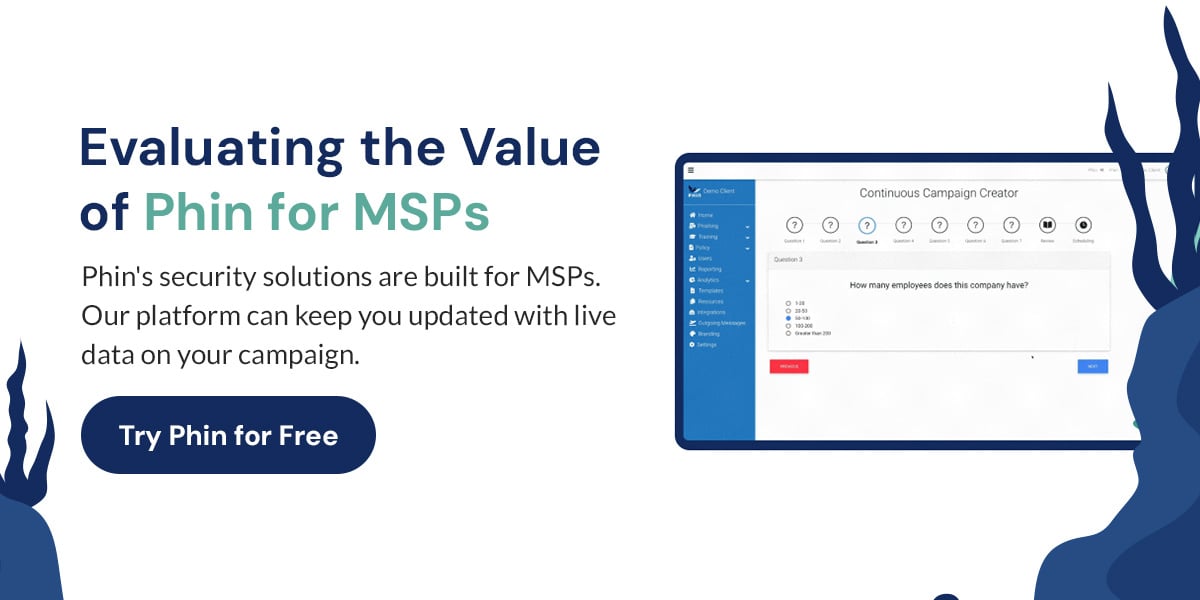
Phin's security solutions are built for MSPs. We can tailor your very own policies and training about phishing for both your in-house staff and clients. Plus, we can also handle the reporting and analytics for you. Our platform can keep you updated with live data on your campaign.
Contact Phin to book a demo of our services. Let us handle reducing your phishing attacks so that you can get back to business.
Share:
Share on Facebook Share on LinkedIn Share on X


All CategoriesMSPReef RoundupSecurity Awareness TrainingPhishingPhishing AnalysisDCD2024Guest SpeakerComplianceTrainingreportingAIComparisonHIPAAPress Release
Read On
 Predicting Future Phishing Trends and Social Engineering
 How MSPs Are Increasing Revenue with Phin Security
Try Phin for Free for 30 days!
Related posts
 \
Predicting Future Phishing Trends and Social Engineering 11 Dec 2023
\
Predicting Future Phishing Trends and Social Engineering 11 Dec 2023
 \
Phin Security vs. KnowBe4 23 Oct 2024
\
Phin Security vs. KnowBe4 23 Oct 2024
 \
Why Every MSP Needs a Cyber Warranty 10 Oct 2024
\
Why Every MSP Needs a Cyber Warranty 10 Oct 2024
Search How to Recover From a Phishing Attack
Predicting Future Phishing Trends and Social Engineering Search
Twitter Widget Iframe
Chat Widget