
How MSPs Can Help Industries That Need Cybersecurity
The article by Connor Swalm explains how managed service providers (MSPs) play a crucial role in helping various industries implement essential cybersecurity measures tailored to their specific needs amid rising global data breach costs.
Products
Resources
Support
Phin
Get Started
About
How MSPs Can Help Industries That Need Cybersecurity
 By Connor Swalm
Published January 30, 2025
With the global cost of data breaches rising each year, organizations of all sizes and sectors must invest in security measures to protect their information.
Managed service providers (MSPs) like yours are key partners in this process. Our guide will provide helpful advice so you can better serve clients in your target industries.
Cybersecurity Essentials Across Industries
Cybersecurity in different industries will look different based on each sector's level of need. However, the fundamental components of a cybersecurity plan are the same for all businesses:
- Information security: Sensitive information must remain confidential, in good condition and available to authorized users when needed. This helps to safeguard data from unauthorized access and theft by focusing on protecting the data itself rather than the systems storing it.
- Security controls: Organizations can set various preventive, corrective, deterrent and directive controls over their network to prevent unauthorized access. The specific tools a company uses will vary depending on the organization's specific requirements.
- Zero trust: A system with zero trust architecture operates under the assumption that automatically trusting users is a risk. Zero trust requires users to authenticate before gaining access to the system and the data within.
- IT professionals: The role of IT in cybersecurity is more important than many realize. A company's IT department — or their MSP if they have limited resources — will be responsible for maintaining and testing their cybersecurity measures to ensure continuous protection.
Explore Phin's Regulation Compliance
5 Industries Most Vulnerable to Cyber Threats
While all industries should invest in cybersecurity tools, it's more critical for some than others. The following industries face the most risk when it comes to protecting their data.
1. Health Care
Building a strong relationship between health care and cybersecurity is critical for ensuring patients can receive the care they need. Health care organizations manage vast amounts of patient data, from names and addresses to sensitive financial information.
That data makes the industry a particularly appealing target for cybercriminals. In 2024, 721 breaches exposed more than 500 records across health care organizations of various sizes.
And the threat goes beyond the data. In extreme situations, hackers may even be able to use these medical devices to disrupt treatment and cause chaos.
2. Government
Whether they're protecting data at the federal, state or local level, well-designed cybersecurity tools are essential for maintaining government and institutional security. Government agencies handle incredibly sensitive information about citizens and confidential operations.
Uniting cybersecurity and law enforcement can help reduce risk, but it's most important to keep individual government agencies secure against all unauthorized access.
3. Banking and Financial Services
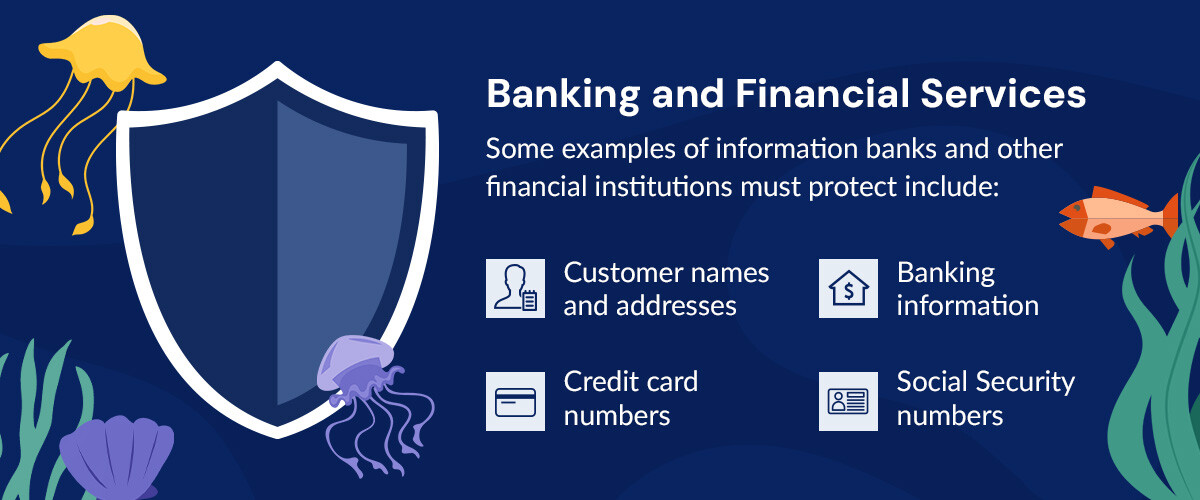
The financial industry is another major target for cybercriminals looking to steal the most data possible, as digital banking is becoming increasingly popular with customers. Some examples of information banks and other financial institutions must protect include:
- Customer names and addresses
- Credit card numbers
- Banking information
- Social Security numbers
Investing in managed information and data security solutions such as identity and access management (IAM) technologies can help financial institutions protect sensitive information from unauthorized access.
4. Education
In 2023, the number of cyberattacks against educational institutions rose dramatically from the previous year. Higher education institutions were especially valuable targets, with plenty of student and faculty records, research data and financial information for hackers to steal.
MSPs can help educational institutions tighten their security posture by taking on their cybersecurity tasks and maintenance for them. This can allow institutions to save on IT staff and assets, which can help them put more money toward their students and educational offerings.
5. Manufacturing and Retail
Manufacturers deal with trade secrets that can be valuable to scammers looking for an easy way to rip off customers. Hackers can also gain access to manufacturing equipment and use them to throw off normal operations.
The rise of e-commerce, and the increasing digitization of brick-and-mortar retail, allow businesses to collect more consumer data than ever. While this data lets companies invest in personalized marketing, it also presents an attractive target to cybercriminals.
Working with MSPs can help these industries identify their vulnerabilities, exposing the steps they must take to improve cybersecurity in manufacturing and retail operations.
Securing Businesses of All Sizes
Investing in cyber attack and threat management solutions are essential for protecting businesses of all sizes across every industry, including those that are less vulnerable.
While enterprise companies arguably manage more data on a daily basis, small and medium-sized businesses (SMBs) are easier targets. SMBs often lack the time and resources to handle cybersecurity tasks on their own, which can result in a weakened security posture and increase their vulnerability to attack. Enterprises, on the other hand, often have enough room in the budget to retain in-house IT and cybersecurity staff.
While both business sizes can use MSPs to bolster their defenses, SMBs typically need more help due to their less comprehensive security protections.
Enhancing Cybersecurity Measures for Organizations
Here are some tips for MSPs looking to help their clients enhance their security postures.
Security Awareness Training
A lack of security skills is one of the biggest contributors to cyber vulnerabilities for SMBs across industries.
Programs like security awareness training help employees better understand what the key cybersecurity roles and professionals are. This education teaches them how to recognize and respond to potential threats they may have fallen prey to otherwise.
Cybersecurity Compliance
Some of the most common data security regulations organizations must adhere to include:
- HIPAA: The Security Rule of the Health Insurance Portability and Accountability Act (HIPAA) requires organizations to put in place administrative, physical and technical safeguards to protect electronic health information (EHI).
- PCI DSS: The Payment Card Industry Data Security Standard (PCI DSS) outlines how companies accepting credit card payments must protect this information from data breaches.
- GLBA: The Gramm-Leach-Bliley Act (GLBA) states that financial institutions must follow specific requirements to protect all personal financial information they retain.
However, adhering to these regulations is often the bare minimum for securing a company's network. Training and cybersecurity technologies must be used in conjunction with these basic requirements.
Get Started with Phin for Free
Help Your Clients Stay Secure With Phin Security
Are you looking for a way to improve your MSP's cybersecurity capabilities? Phin Security's innovative training platform is a must-have for any MSP serving any industry.
Our phishing simulation platform tests employees on their ability to recognize and respond to phishing messages that become increasingly challenging as your end users get better. Any time they make a mistake, Learning Moments will explain what they missed right away to ensure the context for the lesson is still fresh in their minds. Plus, advanced reporting and analytics help you keep tabs on who's progressing and who's most at risk.
Phin is here to help your MSP step up its cybersecurity game. Get started with a 30-day free trial today!

Share:
Share on Facebook Share on LinkedIn Share on X


All CategoriesMSPReef RoundupSecurity Awareness TrainingPhishingPhishing AnalysisDCD2024Guest SpeakerComplianceTrainingreportingAIComparisonHIPAAPress Release
Read On
 Why Every MSP Needs a Cyber Warranty
 3 Reasons Your MSP Should Invest in Cybersecurity
 Cash Flow Tips for Running Your MSP
Try Phin for Free for 30 days!
Related posts
 \
Why Every MSP Needs a Cyber Warranty 10 Oct 2024
\
Why Every MSP Needs a Cyber Warranty 10 Oct 2024
 \
3 Reasons Your MSP Should Invest in Cybersecurity 22 May 2024
\
3 Reasons Your MSP Should Invest in Cybersecurity 22 May 2024
 \
Cash Flow Tips for Running Your MSP 22 Jul 2024
\
Cash Flow Tips for Running Your MSP 22 Jul 2024
Search MSP Guide to Content Production
Cybersecurity Tips for Small Businesses Search
Twitter Widget Iframe
Chat Widget